
Introduction
Distance education has become one of the most popular learning options for students, working professionals, entrepreneurs, and individuals who want to continue their education while managing other responsibilities. With flexible study schedules, affordable fees, and recognized degree programs offered by many universities, distance learning provides an excellent alternative to traditional classroom education.
Navi Mumbai has emerged as a growing educational hub, offering access to study centers and distance learning support for various universities. Students can choose from undergraduate, postgraduate, diploma, and certificate programs across multiple disciplines. Distance education is particularly suitable for those who want to balance their studies with work or family commitments.
What Is Distance Education?
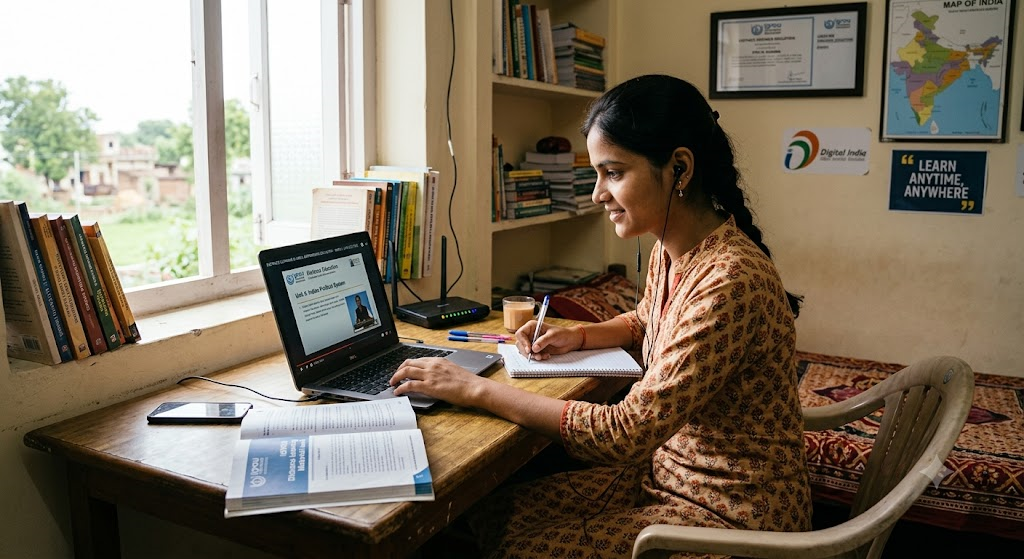
Distance education is a mode of learning where students can complete their academic programs without attending regular on-campus classes. Learning materials are provided through online platforms, printed study materials, recorded lectures, virtual classrooms, and periodic academic support sessions.
Most universities conduct examinations according to their academic calendar, while students enjoy the flexibility of studying at their own pace.
Distance education is ideal for:
Working professionals
Business owners
Homemakers
Students living in remote areas
Individuals preparing for competitive examinations
Learners looking to upgrade their qualifications
Popular Distance Education Courses in Navi Mumbai
Students can choose from a wide range of undergraduate and postgraduate programs based on their career goals.
Undergraduate Courses
Some of the most popular undergraduate distance education programs include:
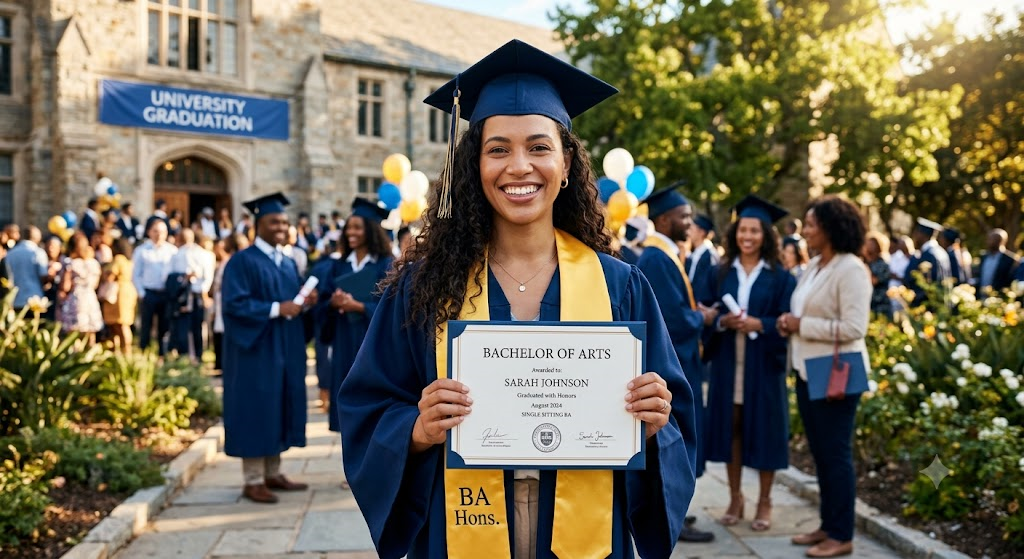
Bachelor of Arts (BA)
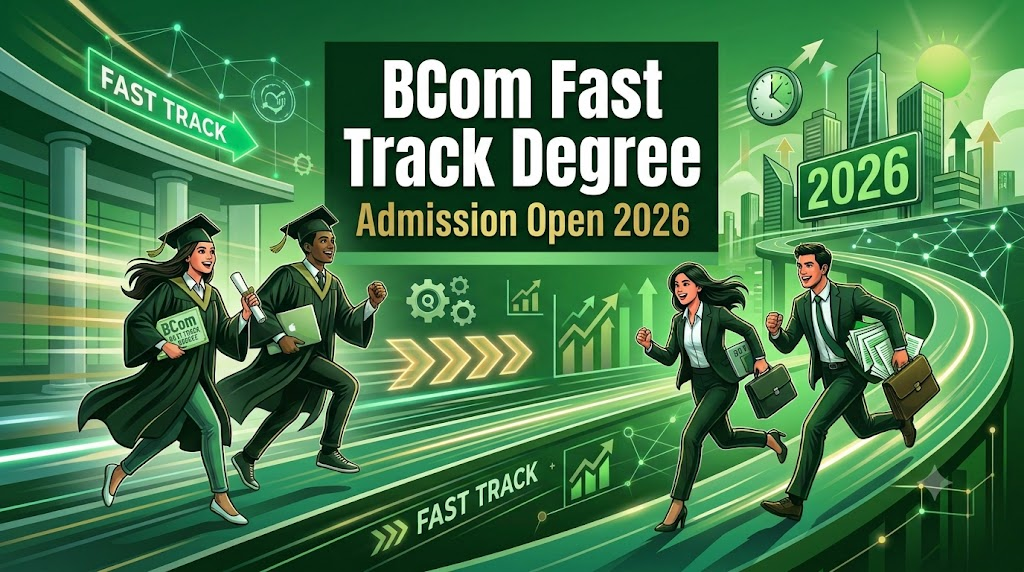
Bachelor of Commerce (B.Com)
Bachelor of Business Administration (BBA)
Bachelor of Computer Applications (BCA)
Bachelor of Science (B.Sc.) (availability depends on the university)
These programs generally have a duration of three years, with flexibility to complete them within the maximum time allowed by the university.
Postgraduate Courses
Popular postgraduate options include:
Master of Arts (MA)
Master of Commerce (M.Com)
Master of Business Administration (MBA)
Master of Computer Applications (MCA)
Master of Science (M.Sc.) (offered by selected universities)
These courses are designed to help students gain specialized knowledge and improve career opportunities.
Diploma and Certificate Programs
Many institutions also offer:
Computer Applications
Digital Marketing
Human Resource Management
Finance
Project Management
Supply Chain Management
Information Technology
Business Analytics
These short-term programs help learners develop job-ready skills.
Eligibility Criteria
Eligibility requirements vary depending on the university and course.
Undergraduate Programs
For most bachelor's degree programs, candidates should have:
Passed Class 12 (10+2) from a recognized board.
Met any additional subject-specific requirements, if applicable.
Postgraduate Programs
For master's degree programs, applicants generally need:
A bachelor's degree from a recognized university.
Any program-specific eligibility requirements prescribed by the institution.
Always review the official admission guidelines before applying.
Distance Education Fee Structure
Course fees vary depending on the university, course, and mode of study.
Typical fee ranges include:
Course
Approximate Fee Range*
BA
₹7,000–₹19,000 per semester
₹6,500–₹24,000 per semester
BBA
₹8,500–₹25,000 per semester
BCA
₹17,500–₹29,000 per semester
BSc.
₹20,000–₹27,500 per semester
MBA
Varies by university and specialization
MCA
Varies by university
*These figures are indicative and may differ across institutions. Students should verify the latest fee structure before admission.
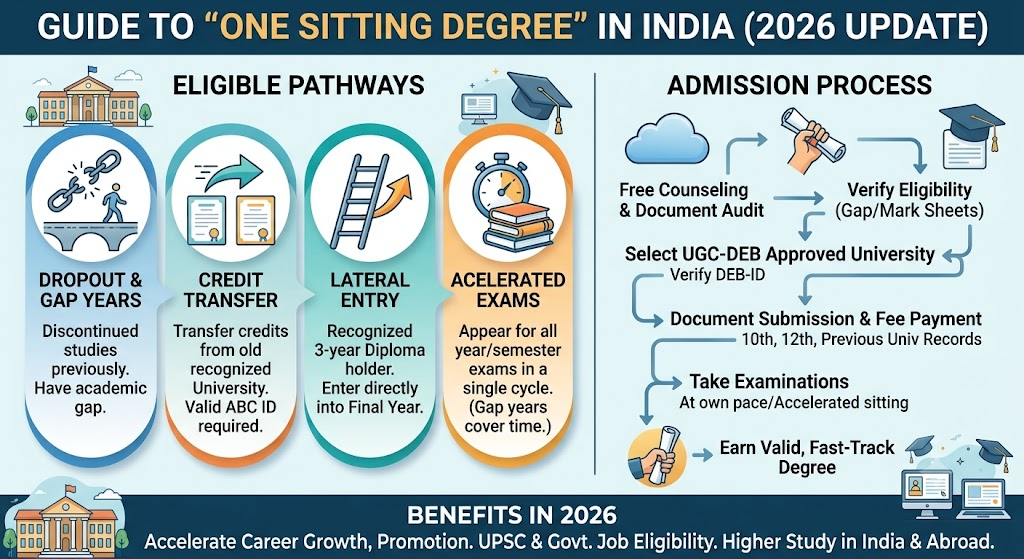
Admission Process
The admission process for distance education is generally straightforward.
Step 1: Choose Your Course
Select a program based on your educational background and career objectives.
Step 2: Check Eligibility
Review the university's eligibility criteria carefully to ensure you meet all requirements.
Step 3: Submit the Application
Complete the application form online or offline, depending on the institution's process.
Step 4: Upload or Submit Documents
Commonly required documents include:
Class 10 mark sheet
Class 12 mark sheet
Graduation certificate (for postgraduate admissions)
Government-issued photo ID
Passport-size photographs
Address proof
Step 5: Pay the Admission Fee
Pay the applicable admission and tuition fees using the accepted payment methods.
Step 6: Confirmation
After document verification and fee payment, the university issues admission confirmation and provides access to study materials.
Benefits of Distance Education
Flexible Learning
Students can study according to their own schedule, making it easier to balance education with work or family commitments.
Affordable Education
Distance learning is often more cost-effective than full-time, campus-based education due to lower tuition and reduced travel expenses.
Career Growth
A recognized degree can improve eligibility for promotions, higher education, and new job opportunities.
Learn from Anywhere
Students can access study materials and online resources without relocating, making education more accessible.
Skill Development
Distance learning encourages self-discipline, independent learning, time management, and digital literacy—valuable skills in today's workplace.
How to Choose the Right Distance Education Program
Before taking admission, consider the following factors:
Verify that the university and program are recognized by the appropriate regulatory authorities.
Review the curriculum and course outcomes.
Compare tuition fees and additional charges.
Check the availability of student support services.
Understand the examination and evaluation process.
Read student reviews and testimonials where available.
Making an informed choice can help you select a program that aligns with your academic and professional goals.
Career Opportunities After Distance Education
A distance education degree can support career opportunities in a variety of industries, depending on the course completed and your skills.
Potential career paths include:
Banking and Finance
Information Technology
Human Resources
Marketing and Sales
Business Administration
Customer Service
Education Support
E-commerce
Entrepreneurship
Graduates may also pursue postgraduate studies or professional certifications to further enhance their qualifications.
Frequently Asked Questions
Is a distance education degree recognized?
Recognition depends on the university and the program. Students should confirm that the institution complies with the relevant regulatory requirements before enrolling.
Can working professionals pursue distance education?
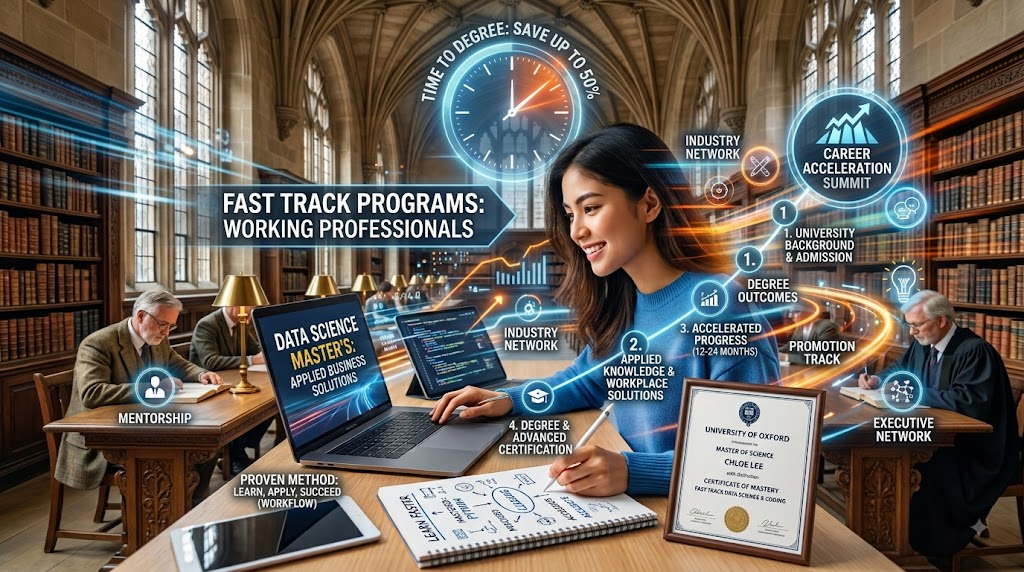
Yes. Distance education is specifically designed to help learners balance work, personal commitments, and higher education.
Are online classes compulsory?
This depends on the institution. Some universities provide recorded lectures and optional live sessions, while others may require participation in scheduled online classes.
How long does a distance education degree take?
Most undergraduate programs are completed in three years, while postgraduate programs typically require two years. Universities may allow a longer maximum completion period under their academic regulations.
Conclusion
Distance education in Navi Mumbai offers a practical and flexible pathway for students and professionals who want to continue their education without disrupting their daily responsibilities. With a wide selection of undergraduate, postgraduate, diploma, and certificate courses, learners can choose programs that match their career aspirations and personal schedules.
Before enrolling, compare institutions, review eligibility criteria, understand the fee structure, and verify the recognition status of your chosen program. A well-chosen distance education course can help you build new skills, earn a recognized qualification, and create better opportunities for career growth and higher education.






Write a comment ...